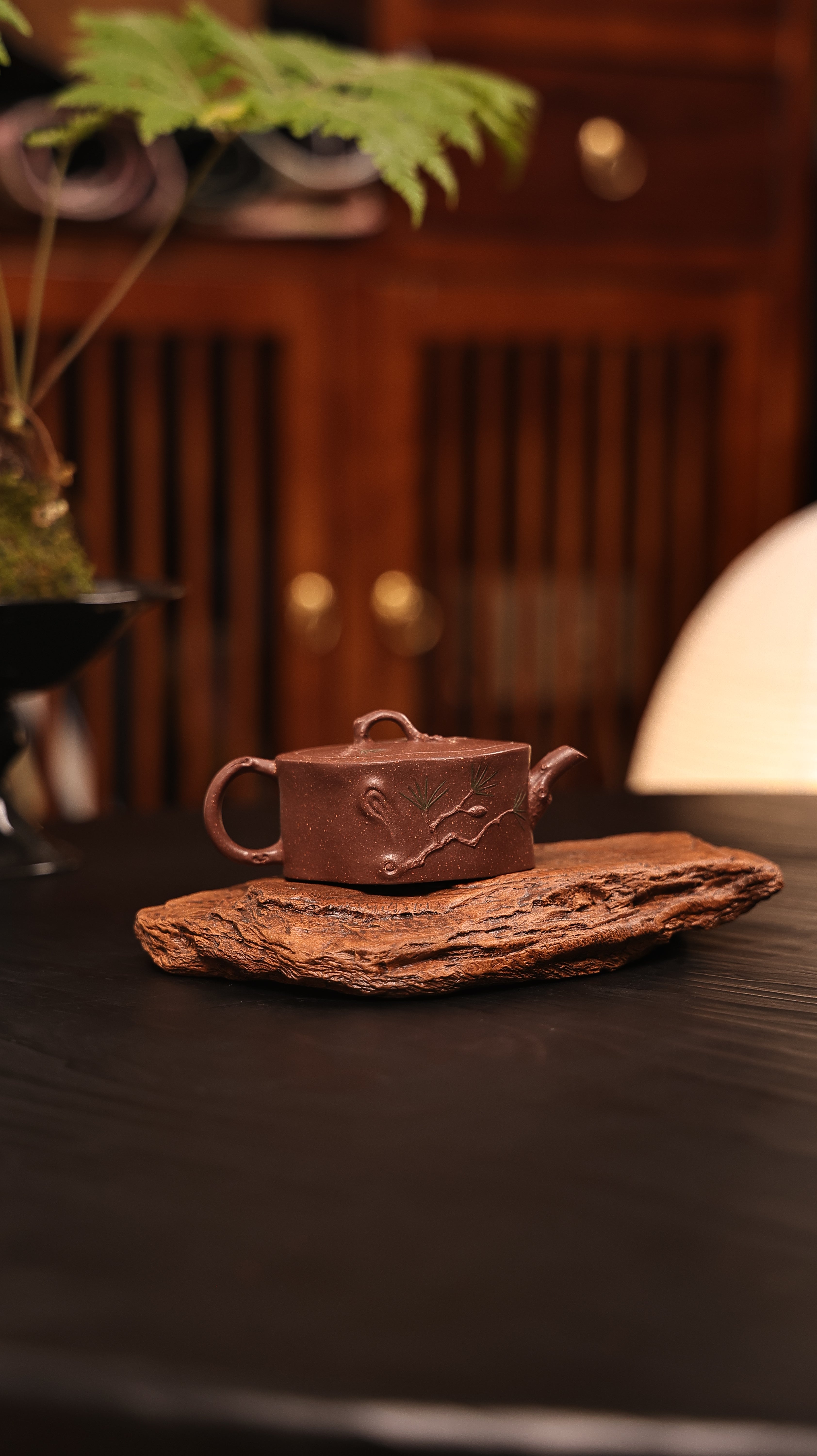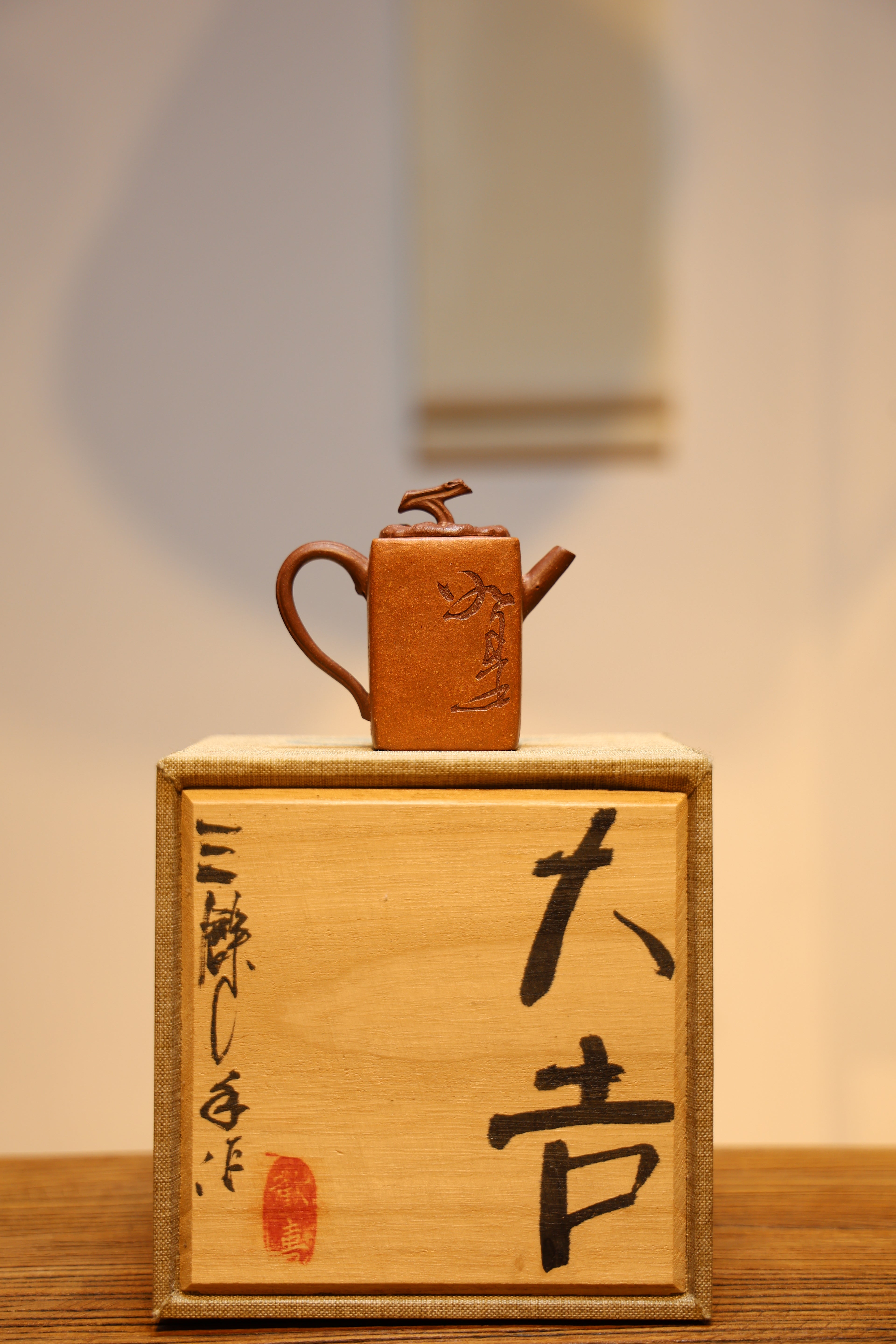
Timeless background establishes Jiangnan jugs through ages,
Showcasing rare features sourced inside indigenous plum minerals, such jars accumulate a film after consumption, amplifying zest gathered from created extracts.
Appreciating Yixing Clay: In-Depth Insights into Zisha
Numerous enthusiasts admire the unique structure of Yixing mulberry clay, a linchpin of conventional Chinese porcelain. Deriving from the Yixing region of Jiangsu province, this uncommon clay exhibits an detailed mineral makeup, which bestows amazing qualities to the crafted wares. Kinds within Zisha, including Purple Mud, Duan Ni Mud, and Jiang Xi Mud, each offers special pigments, surfaces, and curing traits, influencing the porosity and the peak note enhancement of the infusion.
Chinese Urn Legacies: Exploring Artistry
Eurasian teapots embody exceeding mere vessels for concoction; they signify centuries of ancestral knowledge. From the exemplary Yixing clay variations, respected for their open nature which transfers extraordinary aromas to the liquid, to the ornate porcelain from Jingdezhen, each piece unfolds a tale of artistry. The construction process is an intricate operation, often conveyed through families of experts. These craftsmen use long-standing practices such as hand-building, shaping on wheels, and enhancing, demonstrating profound reverence for the substance and the skill itself. Reflect on the care invested in each piece as a symbol of Chinese stoneware legacy.
- Yixing crocks: a timeless pick.
- Jingdezhen ware teapots: famed for their elegant design.
- Hand-building techniques: a laborious yet rewarding procedure.
Jiangsu Purple Teapot Protection: Curing Your Precious Object
Suitable preservation of your notable Yixing Zisha pot is fundamental to extending its aesthetic. Crafted from exclusive purple sand earth, these fine teapots form a subtle patina after operation, significantly boosting their allure. Eschew agents; a gentle rinse with mildly heated hydrous matter is adequate. Refrain heated water for cleaning the teapot, as it may crack its fabric. Allow it to lose wetness away from direct sun beams. Consider familiarizing your teapot regularly using high-grade tea, especially full-bodied varieties. Here is a brief instruction:
- Wash out with lukewarm moisture.
- Stay away from cleansers.
- Give it to dry naturally.
- Condition with choice tea.
Beginnings of Yixing Teapots: Commencement
The tale of Yixing teapots starts plainly during the Qing dynasty, near the 16th age. Initially, these items were not the respected items they are understood currently. They were fashioned by local potters using the exclusive purple clay discovered solely in the Yixing vicinity. These early creations were primarily utilitarian, designed for everyday application and often basic in appearance. It was not until the later dynasty that they started to earn recognition beyond mere functional articles.
Selecting the Fitting Traditional Jar: A Elementary Reference
Exploring the universe of Yixing teapots can be challenging, but avoid concern! For novices, the central factor is understanding the mud. Certified Yixing clay is prized for its transparency, allowing the teapot to take in the tea's bouquet over time, boosting every steeping session. Envision the figure; traditional globular shapes prevail, yet distinct preferences count. Lastly, analyze the sheen—while some favor an uncooked appearance, others favor a subtle gloss. Take your time in the purchase process—this is an procurement in a treasured piece of art.
Traditional Clay Jars and Their Contribution on Chinese Beverage Legacy
Zisha jars, coming from Yixing, China, have profoundly defined customary Chinese drink culture. The Yixing clay teapots, prized for their singular shade, fabric, and exceptional ability to impart a subtle essence to the beverage, represent more than mere holders; they are valued pieces of art and symbols of distinction. The very observance of preparing and serving brew using a Zisha teapot is steeped in tradition, elevating the experience beyond simple refreshment. Sagas of artisans have refined their techniques, passed down through progenies, resulting in highly sought-after pieces. Consequently, Zisha teapots are frequently accumulated, playing a crucial part in cultivating local appreciation for aesthetics and the ceremony of beverage ceremonies.
- Singular Clay Composition
- Providing Subtle Flavor
- Detailed Craftsmanship
Determining Verified Precious Local Vessels
Procuring a authentic Yixing teapot can be a enjoyable experience, but the market is often plagued with knockoffs. Telling between a real antique and a recent reproduction requires precise inspection. Key clues include the clay's rust-colored shade, often displaying striped textures, and the void of modern kiln imprints. The contour should indicate natural grace, reflecting the traditional Yixing approach. Finally, checking the Yixing Teapot maker's seal is key to verify genuineness against recognized literature.
- Assess the clay's texture.
- Look for defects, indicative of bespoke quality.
- Utilize an specialist for appraisal.
Committing to Yixing Ceramic Vessels: A In-Depth Instruction to Zisha Understanding
The domain of Purple Zisha pieces offers a unique opening for experienced supporters. Consistently, the value of these artisanal artifacts is affected by multiple considerations, such as the standard of composition, the talent of the builder, the legacy significance, and, naturally, the current trade. Newcomers should prioritize on researching the diverse kinds of Zisha clay—such as Glacial, Quiet Jug, and Crimson Soil—and studying the properties linked to each. Exact review of the container's design, shade, and mark is additionally essential to make informed considerations when investing.