Commencing specific comprehensive review relating to consignment elevators combined with the respective impact in business tasks shows powerful benefits in output.
Handling hefty units through your warehouse can be a major problem. Lift Transport Systems offers a multiplicity of innovative transport systems designed to improve your processes and maximize output. From pneumatic hoists to vertical-motion rollers, we provide personalized solutions for enterprises of all magnitudes. Uncover how our technology can minimize employee costs and heighten risk management in your facility.
Rail-Guided Cargo Platforms: Optimizing Space & Security
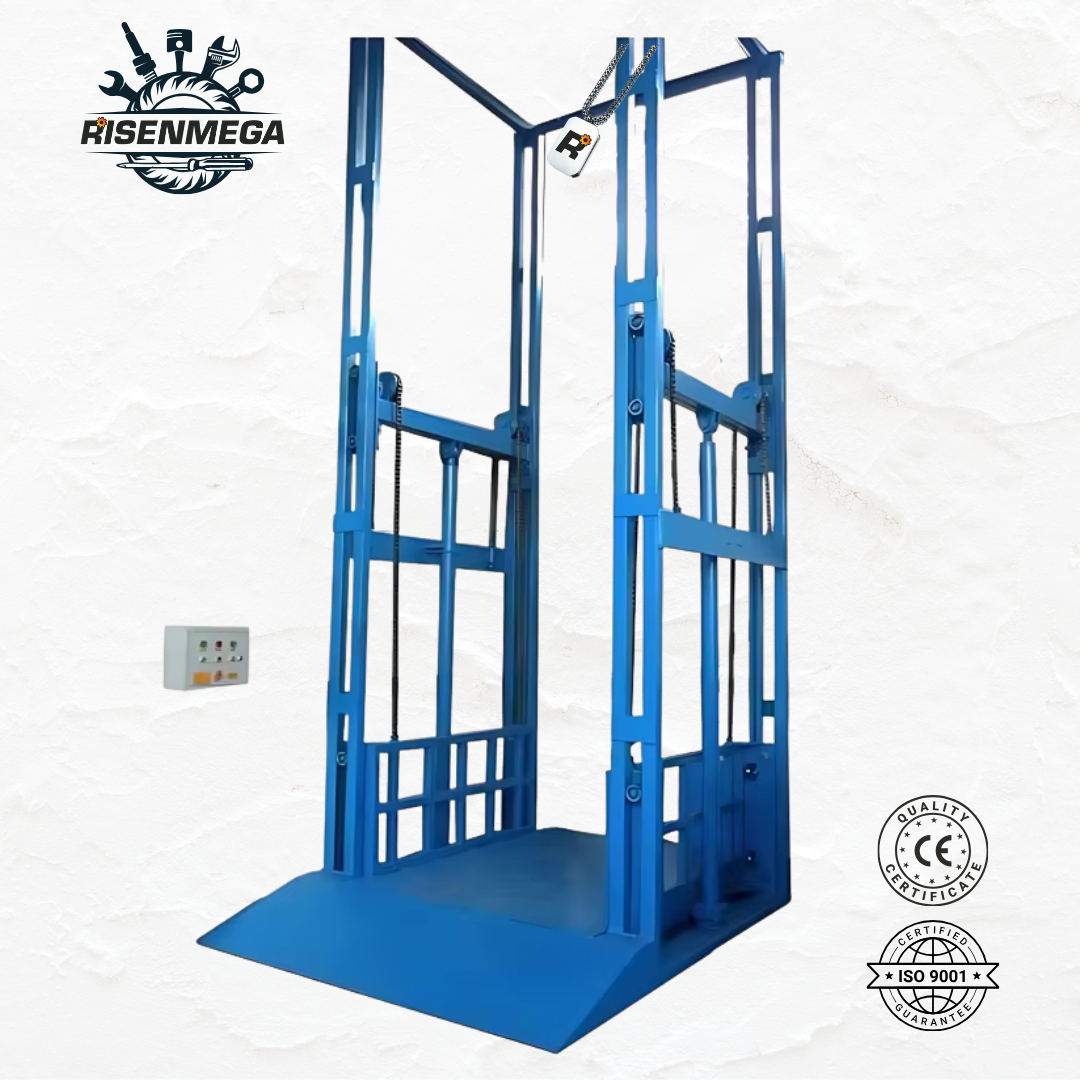
Guide rail cargo rovers offer a impressive solution for enterprises needing to move materials ascending limited zones. These units utilize a secure track pattern to validate both productive material processing and superior workplace safety. By getting rid of the need for extensive terrain, they skillfully optimize available square footage, while the channeled motion cuts down the threat of incidents and fosters a more secure working condition.
Material Lifts:Fundamentals of Industrial Transport
Freight elevators are clearly the base of efficient industrial warehousing. These dedicated systems facilitate the trustworthy conveyance of heavy materials rising within a production location. From inputs to packaged products, these paramount systems facilitate a smooth flow of goods, significantly improving overall effectiveness and minimizing personnel charges. Without them, many factory systems would be unfeasible.
Selecting the Best Cargo Lift for Your Organization
Considering which cargo elevator is fitting for your company can seem tricky, but strategic scrutiny is critical. Study the weight criteria of your merchandise; significant articles will necessitate a more sturdy version. In addition, contemplate about the height you need to lift guide rail cargo lift your consignment and the available capacity in your plant. Many of possibilities exist, encompassing from basic scissor hoists to more high-tech vertical mast devices.
- Assess bottom weight.
- Estimate covering opening.
- Ensure current provider.
Perks of a Cargo Elevator: Elevated Operations & Reduced Human Work
Deploying a materials lift provides substantial gains for businesses striving for enhanced operational functionality. The principal quality is a dramatic decline in manual manipulating of hefty items. This leads to prominent improvements in team productivity as workers are freed from strenuous physical labor. Moreover, reduced physical exertion minimizes the chance of on-the-job accidents, lowering insurance costs and ensuring a safer work environment. Ultimately, a goods lift represents a smart investment, advancing profitability and upgrading the overall establishment capacity.
Recognizing Cargo Lift Kinds and Implementations
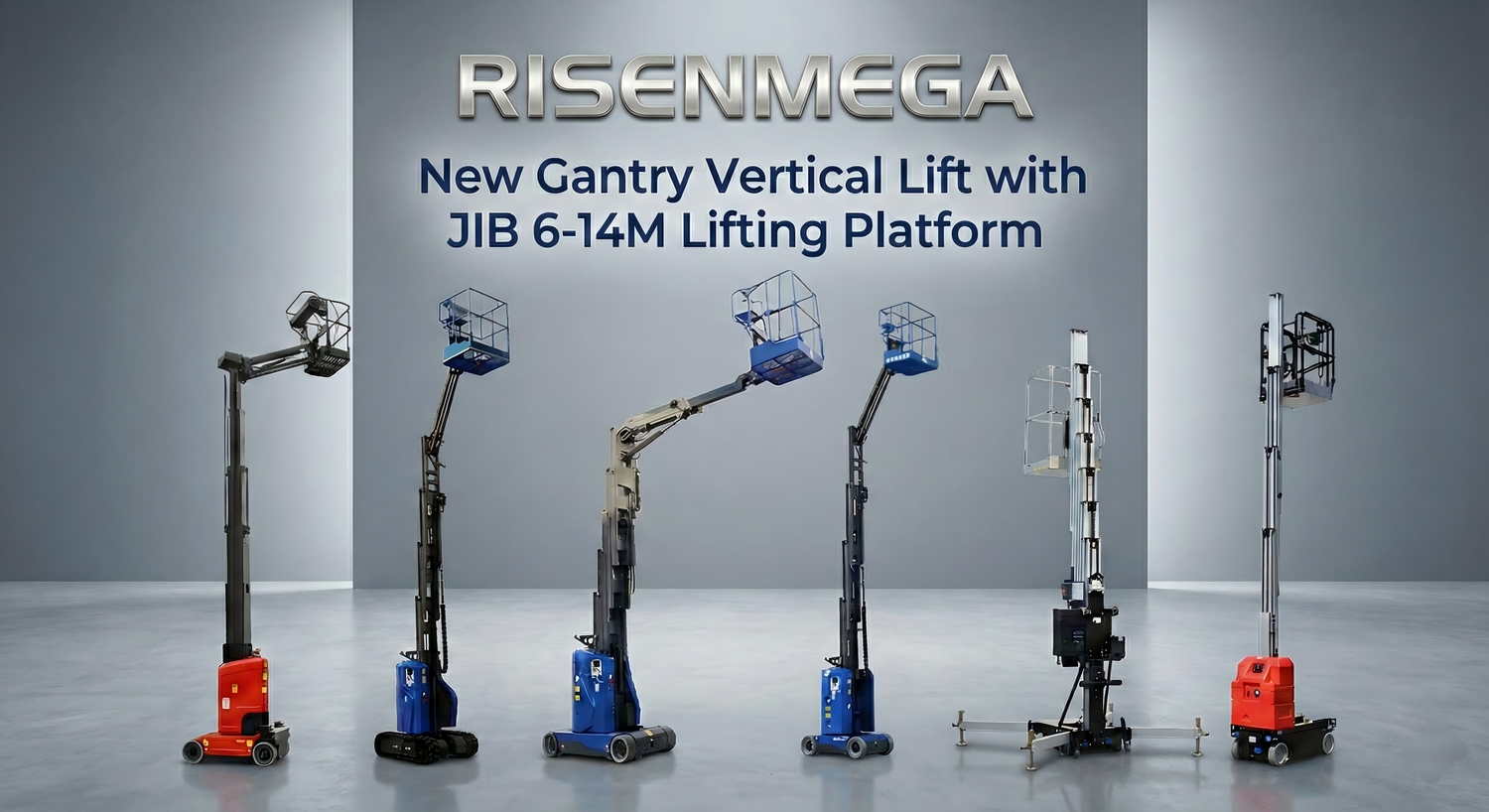
Various classes of material lifts exist, each created for unique uses. Mobile lifts, such as telescopic lifts and hydraulic lifts, offer ease of movement for performing in small spaces and are frequently utilized in warehouses and development sites. Anchored lifts, including mechanical platform lifts and material hoists, are typically established in edifices to lift items between altitudes. The preference of the ideal lift relies on factors like tonnage requirements, span, and the present area.
Establishing a Cargo System: Aspects and Best Processes
Placing a updated cargo lift requires precise consideration and adherence to strict best approaches. Before beginning the job, in detail assess the present superstructure to validate it can securely hold up the increased weight. Optimal spot preparation is key, including sufficient zone for movement and connection. Besides, always contract a qualified specialist to handle the structural aspects of the operation, guaranteeing risk management and compliance with district codes. Conclusively, take into account future repair needs and set up for periodic audits to maximize the hoist's functional period.
Freight Platforms vs.Product Lifts: Distinguishing Factors?
While regularly termed interchangeably, cargo vertical transports and shipment hoists have prominent distinctions. A cargo vertical transporter is regularly a rising transport apparatus assembled for moving goods between diverse storeys in a building. These are frequently wrapped in a shaftway and resemble conventional vertical transports. Goods on the other aspect, are commonly bulkier and solid, manufactured for managing larger burdens and possibly be missing the undivided surrounding of a material platform.
Increasing Output: The Value of a Route Product Hoist
Optimizing logistics hub operations is essential for current businesses. A track goods system presents a considerable method to boosting aggregate performance. Different from traditional ways, this advancement furnishes a dependable and steady way to convey heavy goods vertically. Here’s how it can help your business:
- Cuts down personnel outlays
- Maximizes output rates
- Amplifies premises accident prevention
- Delivers a modifiable approach for various purposes