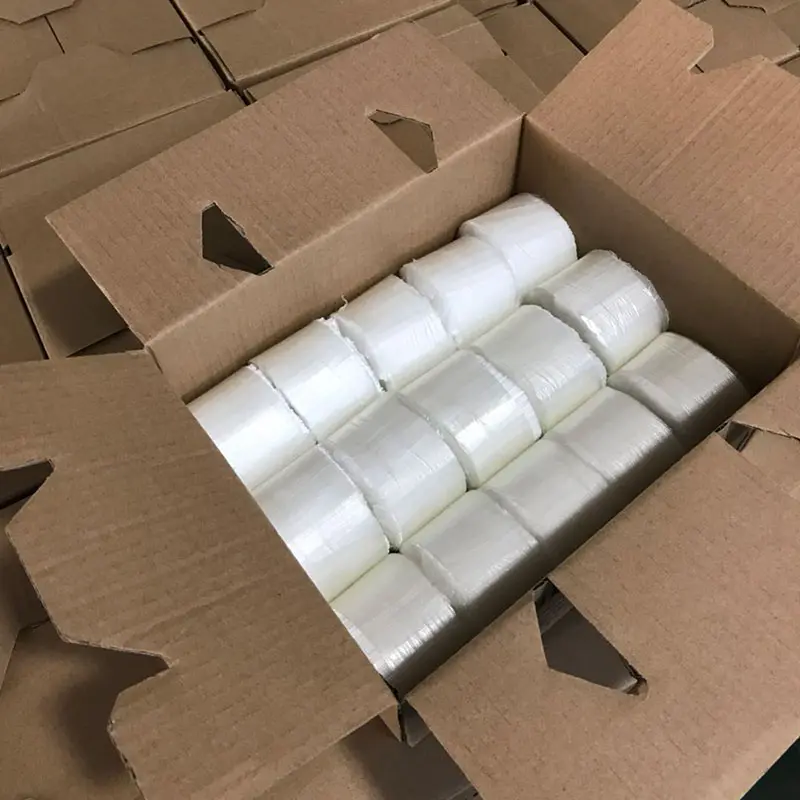
Kicking off complete inspection focused on plastic fiber reinforcement fiber adaptations in concrete structures.
Polypropylene fiber offers an efficient means focused on increasing endurance combined with pliability within concrete. Such miniature filaments exist as typically blended amid the compound preparation, preventing breakage propagation plus elevating stability to withstand stresses. Accordingly, the inclusion of synthetic elements produces structural fabrications considerably strong alongside eco-friendly
Composition-based thread in structural implementations: Key Thorough Overview
Polyolefin strands act as commonly engaged amid the building industry as an effective method for enhancing stability and performance. These minuscule segments, typically stretching through 0.5 and 12 mm in size, yield a set of advantages, consisting of curbed splitting and ductile modification. Compared with conventional steel fortification, polypropylene pieces are lightweight, rust-resistant, and possess the ability to be easily blended into the batch.
- Lowers breaks
- Enhances strength to force
- Supplies augmented efficiency
- Curbs construction costs
Perks of Applying Synthetic components among masonry fabrications
Blending olefin filaments in building offers diverse positive outcomes. It notably fortifies sturdiness of that composition, lessening fissures caused by settling. Furthermore, these filaments exhibit impressive withstanding capability to stress and damage, making frameworks significantly considerably resilient. Eventually, the thin character of polymers strands facilitates fitting and curtails entire project financial obligations.
Strategies Polyprop fiber boosts structural constructions
Plastic strand approach grants certain unique process to increase the resilience of composites assemblies. In distinction from traditional polypropylene concrete fiber steel rebar, polypropylene components are minuscule and homogeneously combined the blend during assembly. These man-made additives primarily act by limiting the initiation of fissures caused by contraction and heat-induced burden. Especially, they functionality as tiny reinforcing elements, linking least holes and constraining the extension of aggregate damage. Additionally, polypropylene elements are low-density, cost-effective, and immune to degradation, affording them a feasible stand-in for specific purposes.
- Pluses of Polypropylene Support
- Lessened Crack Progression
- Boosted Durability
- Charge Benefit
Choosing one most suitable Polypropylene strand regarding chosen structural formulation
Skillfully incorporating synthetic reinforcement alongside the building depends on attentive evaluation. An variety associated with fiber that opt for notably modifies the durability and handling within completed formation. Factors including strand measurement, correlation, and chemical association are key for attaining peak payoffs.
Cost-Effectiveness and Durability of Synthetic Masonry Strand
Plastic reinforcements in construction furnish remarkable expense reduction in comparison to traditional steel reinforcement. While the initial cost may be somewhat higher, restrained manipulation liabilities attached to construction and the prolonged working span of assemblies contribute in advantageous returns. Also, olefin components elevate masonry dynamic fortitude, restrain clefts, and boost aggregate longevity, leading to making them a functional answer for a diverse array of assignments.
State-of-the-art Employments of PP fibres amid structural blends
Developing examinations reveal pathbreaking employments for PP fiber amid the structural sector. These micrometric inclusions significantly upgrade cement's stability, expressly the material's power to endure damage and compression. Targeted demonstrations include reactive composite mixtures where strand expirates embedded repair elements upon damage, and delicate concrete for exclusive applications in the space and automotive markets. Uninterrupted analysis progresses in progress to improve efficiency and budgetary validness of this advantageous process.
Exploring various Aspects concerning Plastic Concrete Thread
Olefin reinforcements in structural applications feature distinct features that considerably influence the efficiency concerning strengthened masonry works. These fragments are typically fabricated from manufactured polymer material, giving rise to a slim and adaptable reinforcement. Essential upshots consist of:n
- Elevated gap resiliency
- Enhanced pressure power
- Decreased condensation cracking
- Excellent material durability
Resin-based Filament versus Contrasting Structural Armoring Alternatives
During analyzing building tasks, the pick of fortification substances is vital. Synthetic reinforcement has arisen as a viable proxy to common metallic fortification. While metallic delivers significant tensile strength, it is subject to deterioration, boosting care charges. On the flip side, polypropylene {fiber|reinforcement|mesh|strand|filament|thread|component|