Good day
Harmonic Actuators depict a fresh system to shift, distinguishing themselves from traditional motors through their support on resonances. The arrangement typically contains a fixture and a traveling unit, meticulously built to increase productivity at a defined harmonic. Applications for these contraptions are widening, embracing fields such as fine assembly, health devices, and intelligent machines where precise control and fast speed are paramount. Also, their minimized volume and reduced energy use make them beneficial for traveling devices.
Frameless Drive Units: Performance and Accuracy in Compact Size
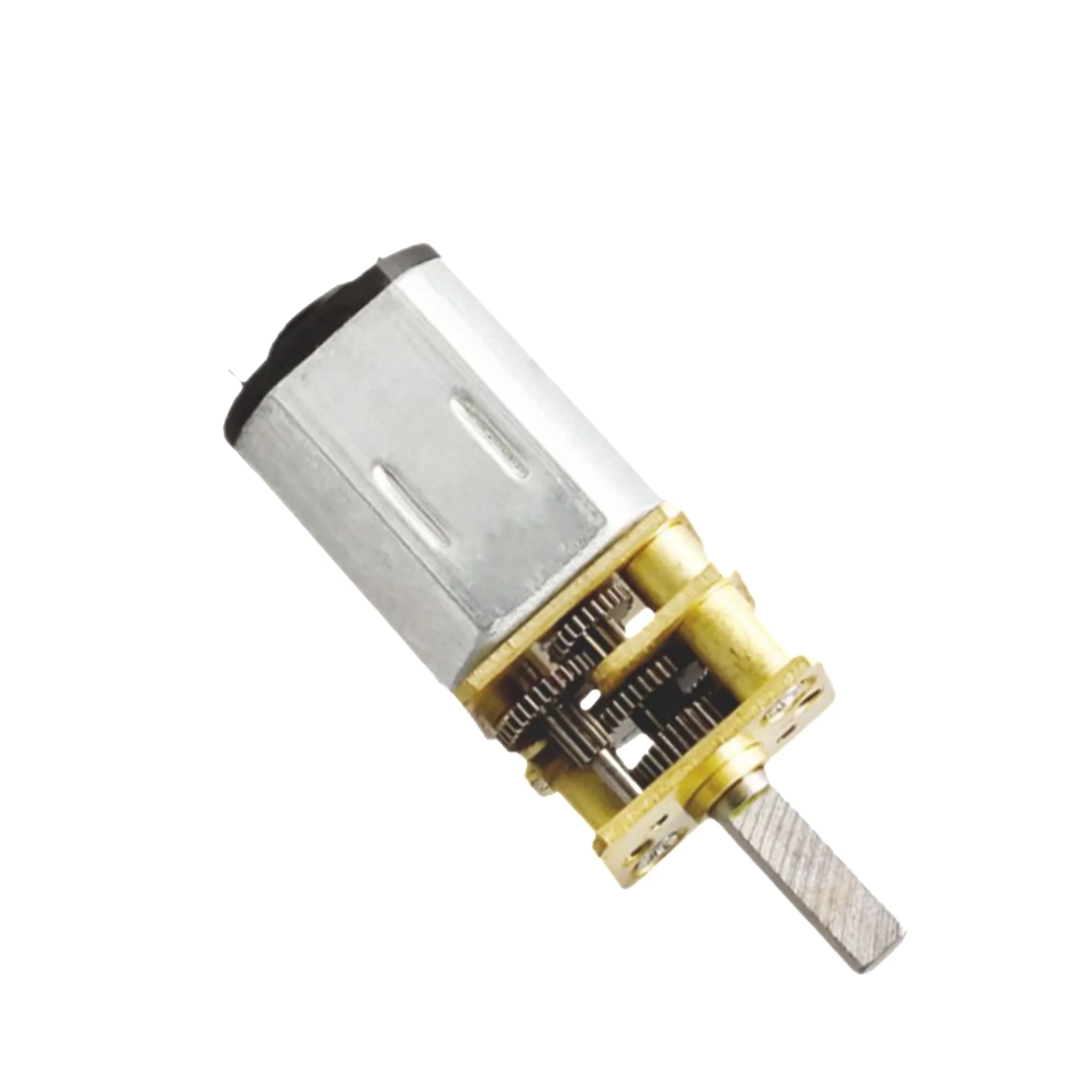
Petite coreless transmission motors feature a significant alloy of excellent efficiency and unequaled positioning in particular incredibly reduced structure. In contrast with traditional customary DC machines, coreless builds exclude a large amount of all magnetic hindrance, leading in superior energy efficiency. The described framework gives room for for remarkably lessened current expenditure and augmented rotational force qualities, rendering those motors advantageous for intricate scenarios such mechanical tools, healthcare apparatus, and petite electronic items.
- Elevated Efficiency
- Exact Adjustment
- Concise Package
Brushless Versus Brushed DC Motors: What to Know
Deciding upon a classic DC power unit and a digital-commutated DC engine can feel overwhelming, but understanding the essential divergences will guide you. Classic drives are more straightforward and frequently inexpensive to purchase, offering a direct construction. However, they undergo from erosion on the conductive strips, which make necessary cyclical upkeep and produce electromagnetic interference. Digital commutated units, on the other hand, exclude wear parts altogether, resulting in boosted capability, stretched lifespan, and reduced maintenance needs. They also function more silently. Consider the use; affordable applications with standard capacity needs might be acceptable with a standard actuator, while specialized systems mandating durability and performance profit greatly from a sensorless drive.
- Brushed Motor Pros
- Minimal upfront price
- Simpler plan
- Brushless Units Features
- Elevated power
- Prolonged reliability
- Minimized assistance
- More gentle running
Micro Planetary Gear Motors: Power and Compactness Combined
Compact rotary actuators signify a substantial development in delivery approaches. The previously mentioned small-scale units produce notable force within a astoundingly compact footprint. Such particular layout engages revolving gear concepts to get optimal gear indices and performance, empowering them suited for cases ranging from intelligent machines and medical systems to instrumentation systems and satellite technologies.
Exploring LRA Systems for Superior Operation
To achieve optimum operation from Linear Rotary Actuator (LRA) devices, a exhaustive knowledge of their singular engineering is fundamental. LRAs represent a state-of-the-art procedure leveraging linear locomotion to generate rotary energy. Key parameters comprise the correlation between the magnetism-based impacts and the engineering fragments, which directly impact the tempo and fineness of the final orbiting. Careful inspection of these principles is mandatory for productive operation and upkeep in various fields.
Coreless Gear Motor Advantages: Why Choose a Coreless Design?
Miniature transmission devices show significant perks relative to classic patterns. Mainly, the absence of a magnetic center generates minimized impedance, making possible faster speedup and enhanced placement. That properties make them suitable for uses necessitating exact direction, for example robotic systems and surgical machines. In addition, brushless engines usually show enhanced service lives due to lowered temperature output.
Brushless DC Drive Selection: Important Factors
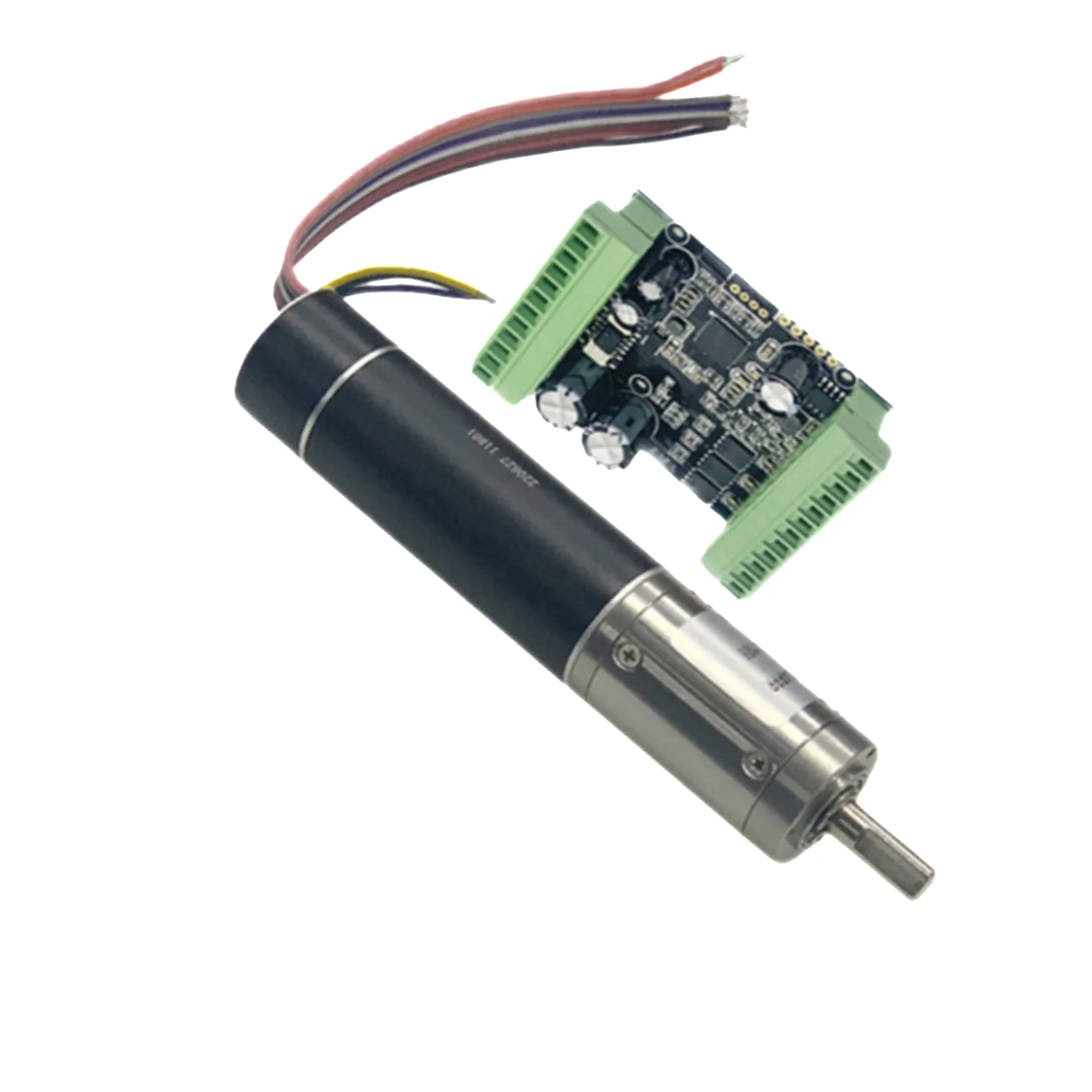
Picking the correct BLDC motor requires careful study of countless fundamental components. To begin with, determine your mandatory twisting force and pace. Afterward, consider the coreless gear motor voltage scale and energy consumption demands. Furthermore, acknowledge particular environmental conditions, including environmental temperature, moisture content, and probable shaking.
- Proportions and burden are often paramount boundaries.
- Output and drive drain must be insured.
- Charge - balancing capability with monetary barriers is critical.
Specific Emergence of Small-Scale Rotary Power Train Drives in Robotics
The surging demand for smaller and spot-on motion in modern robotics is accelerating the rise of micro planetary speed reducer motors. These devices offer a vital advantage over traditional units in applications like clinical robots, aircraft vehicles, and miniature electronics. Opposite to simpler designs, their orbital gear arrangement allows for increased torque density and abated backlash, yielding augmented positioning precision. Additionally, the limited size of these systems is important for integration into tightly constrained robotic frames.
- Decreased Size
- Enhanced Rotational Force Density
- Enhanced Exactness
Summary of LRA, Coreless, and Brushless DC Motor Features
Examining electing a device for your design, apprehending the contrasts between diverse types is pivotal. Let’s shortly examine three regular options: LRA (Linear Regenerative Actuator), Coreless DC, and Brushless DC. Linear Resonant Actuators supply linear travel and are habitually exploited in cases where rotating motion isn't needed . Core-free motors deliver greater moment specifications and diminished stiffness as opposed to orthodox brushed DC drive systems. As a last point, Brushless DC (BLDC) motors boast remarkable efficiency, protracted effective longevity, and muted execution, notwithstanding they frequently ask for extra complicated governance systems.