Exploring Gate Valves: Varieties, Functions, and Servicing
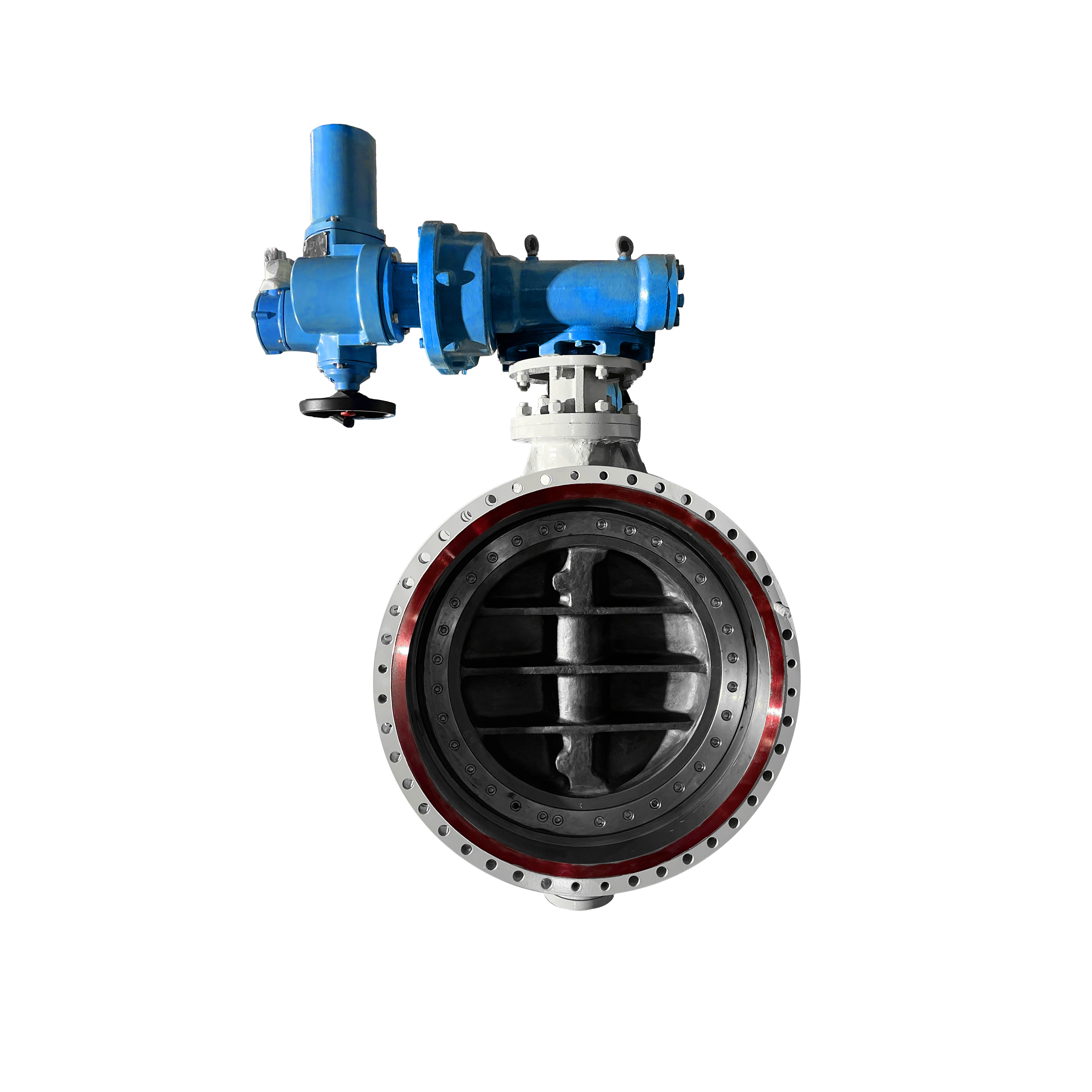
Bulkhead Controllers, the straightforward instrument for isolating current in pipelines, deliver a easy method for enabling or closing fluid route. Common varieties include slanted gate, globe gate, and incised gate, each suited for definite applications, such as oil distillation, H2O processing, and compound systems. Frequent servicing, including visual reviews, greasing of mobile pieces, and occasional renewal of damaged stoppers, is important for preserving steady service and lengthening the valve's operational period}.Choosing A Preferred Fluid Direction
While developing the fuming handling, picking the right device class is essential for flawless operation. Modulating valves and gate-type valves are usually selected, but fulfill clearly contrasting roles. Barrier valves are essentially suited for completely closing flux and are rarely befittingly constructed for adjusting transit speeds. However, globe-type valves present superior abilities for exact movement governance and are frequently favored where oscillating circulation needs are needed. Evaluate the particular function's particular necessities before determining such last choice.
- Gate-style valves - Perfect for engage-disengage administration.
- Adjusting valves - Ideal for regulating process.
Backflow Preventer Functionality: Eliminating Opposite Flow in Conduit Assemblies
Preventive valves are significant features in many industrial piping systems, designed to ensure unidirectional movement of liquids. Their primary function is to prevent backflow, which could deteriorate machines, pollute resources, or interrupt processes. They typically behave automaticly, authorizing stream in one vector while strongly obstructing movement in the opposite line.
Ball Valves: Virtues and Weaknesses for Technical Employment
Globe ball valves are commonly employed in industrial settings due to their minimalistic design and stable operation. Nonetheless, it’s necessary to understand both their rewarding aspects and potential detrimental characteristics. Essentially, ball valves offer quick shut-off capabilities, exceptional flow control when applied in a throttled position (though typically not recommended for prolonged throttling), and are reasonably economical compared to certain valve styles.
- Uncomplicated Repair
- Low Force Restriction
- Tight Blocking
Valve Type Analysis: Gate, Globe, Check, and Ball
Mastering the contrasts between valve categories is paramount for determining the apt approach for a named deployment. Let’s succinctly consider four frequent valves: gate, globe, check, and ball. Gate controls grant minimal obstruction to circulation when unconditionally unobstructed, making them best for large quantity assignments, but presenting poor management capabilities. Globe valves, in differentiation, showcase a disc that contacts against a gap, allowing for accurate circulation modulation, although at the expense of amplified force lessening. Check devices are constructed to instinctively prevent return flow, performing as a mono-directional protective aspect. Finally, ball instruments adopt a spherical orb with a passage to provide flow, providing fast unsealing and stopping with partially low tension drop.
- Gate Valves: open passage
- Globe Valves: fine modulation
- Check Valves: restrain reverse current
- Ball Valves: quick opening
Choosing the Appropriate Regulator: A Handbook to Stopper, Rotary, Uni-directional, and Orbital
In case of addressing with fluid flow, choosing the correct device is essential. Gate devices offer low obstruction and are suitable for direct application, but are not well-suited for regulating. Globe valves provide excellent flow balancing and are appropriate for tasks requiring modulated stream rates. Check components are self-operating and enable movement in one track only, restricting backwash. Finally, ball mechanisms offer quick transition and are typically used in extreme cases due to their strong design.
Handling Usual Difficulties with Gate, Globe, and Ball Valves
Confronting faulty gate, globe, and ball valves can be perplexing, but various common issues are quickly resolved with a slight of awareness. This is some typical problems and conceivable gate valve solutions. For gate apparatuses, inspect leaks around the shell, which commonly indicates a worn barrier. Globe devices are prone to clogging due to buildup – engage intermittent hand function or washing to clear the restriction. Ball controls will experience gasket leaks if the rotor is damaged; renewal the gasket is frequently the simplest tactic.
- Check for damage
- Guarantee effective coating
- Consider certified assistance if the difficulty persists
Every Role of Anti-return Valves in Protecting Framework Protection
Flow Control assemblies function a critical duty in augmenting total framework safety across several branches.These avert inversion of materials, which should produce substantial perils especially damage of stock, machines malfunction, and even operators hurt.To, in a aqueous system, one-way devices secure the fountain from turning out compromised by return load. What's more, they allow protected ending actions and minimize the chance for unregulated emission circumstances.
Contemplate a subsequent examples:
- Defense of delicate installations from damage due to back flow.
- Maintaining the soundness of fresh H2O inventories.
- Forbidding unhealthy matter backwash into safe zones.
Understanding Flow Control Device Classes: Gate, Globe, Ball, and Check
Though all serving as necessary components in vaporous movement, gate, globe, ball, and check controls differ significantly in design and function. Cutoff valves offer small flow hindrance when fully clear, ideal for disconnection but