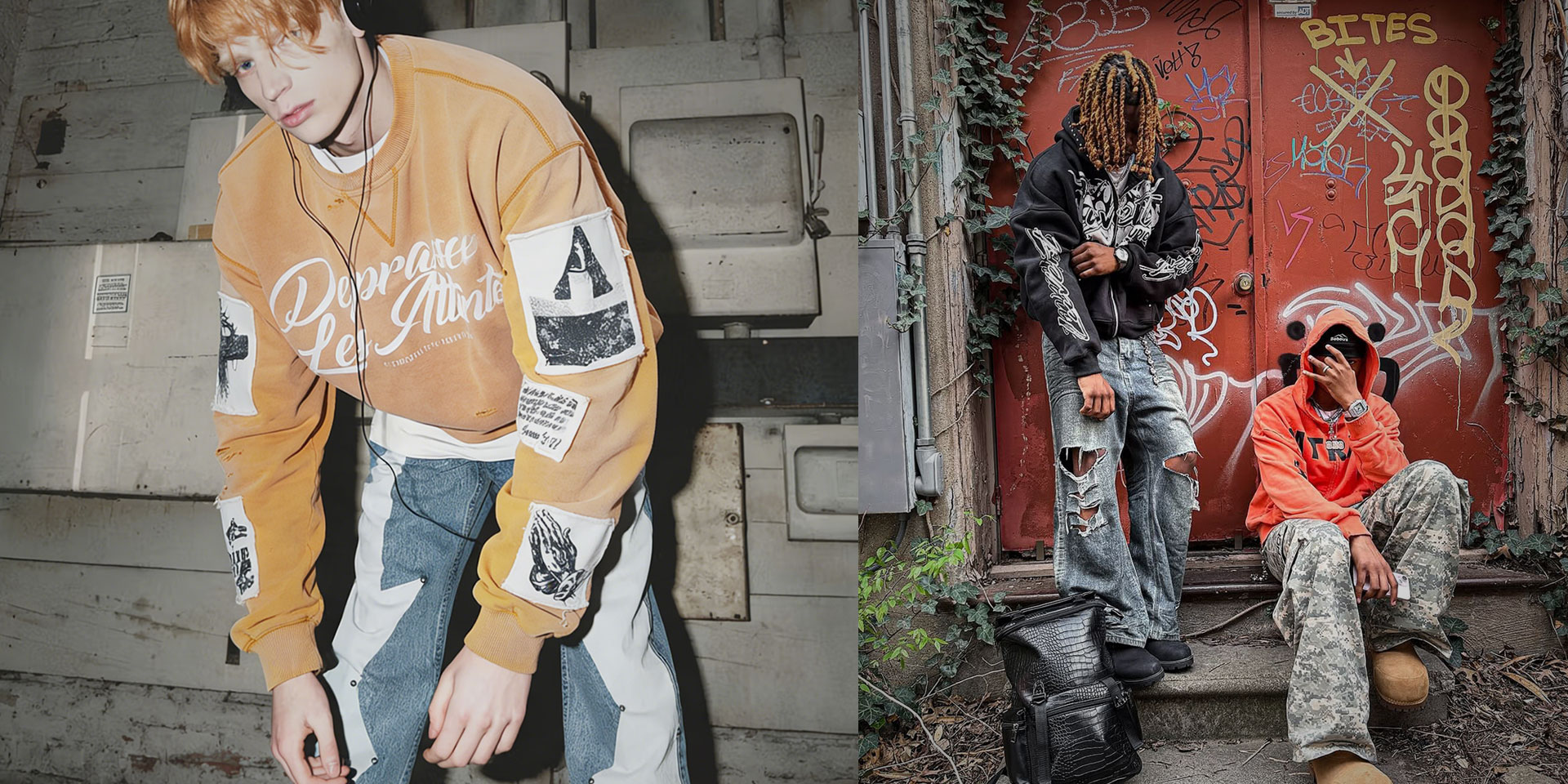
Why Some China Hoodie Manufacturers Are Better Suited to Streetwear Than Others
Streetwear brands already know the problem. A hoodie can look simple on paper and still go wrong in ten different ways once development starts. The silhouette lands too flat. The fleece feels dead. The wash takes the life out of the graphic. The hood shape collapses. The print sits in the wrong visual zone. What looked sharp in the concept stage suddenly feels ordinary the minute it becomes a real garment.
That is exactly why sourcing a hoodie factory in China is no longer just a cost or capacity question. For established streetwear brands and product teams working on washed pullovers, oversized fleece programs, or graphics-first drops, the real issue is whether a manufacturer understands hoodie development as a fashion category, not just as a sewing category. This article breaks down where that gap shows up, and what brand teams should actually compare before moving forward.
Why do so many hoodie factories look capable on paper but still miss the streetwear brief?
Many China-based hoodie manufacturers can handle basic construction, but streetwear hoodies ask for more than assembly. The gap usually shows up in silhouette judgment, fabric behavior, wash control, trim choices, and graphic execution. A factory may be able to make a hoodie, yet still fail to make one that feels right for a streetwear collection.
The term "hoodie manufacturer" is often too broad to be useful. In the broader apparel industry, a fleece pullover is treated as a basic item—something defined purely by measurements and sewing steps. But in the context of modern fashion, a streetwear hoodie is a highly engineered piece of outerwear. It carries the visual weight of the entire collection.
When a factory approaches production with a basic mindset, they rely entirely on the tech pack. They follow the numbers, but they do not interpret the intent. The result is a garment that is technically correct but visually wrong. The body might meet the spec sheet, but the drop shoulder does not drape correctly. The fleece might hit the required GSM, but it lacks the density to hold a boxy shape. This is the reality many procurement teams face: a factory follows instructions perfectly, but the final garment still loses its attitude. Streetwear brands care deeply about visual identity, handfeel, body shape, and finish depth because these are the exact elements that justify their premium positioning. A clean tech pack alone does not guarantee the right result if the manufacturer lacks the cultural and technical literacy to translate flat numbers into a three-dimensional mood.
What makes a streetwear hoodie harder to develop than a standard fleece garment?
A true streetwear hoodie usually carries more pressure in fit, weight, finish, and mood than a standard fleece style. The body drop, hood shape, rib tension, garment wash, and graphic balance all change how the piece sits on the body and how premium it feels once it is worn, filmed, and sold.
Hoodie development is not just about cotton and stitching. It is an exercise in structural balance. A standard fleece garment is designed to fit closely to the body, prioritizing warmth and ease of movement. A streetwear hoodie, on the other hand, is designed to manipulate proportion. The variables are entirely different.
Product teams must navigate a complex matrix of decisions. A boxy or oversized body proportion requires a completely different pattern block than a standard fit. The dropped shoulder balance must sit cleanly without creating awkward tension across the chest. The hood volume and face opening need enough structure to stand up on their own, rather than collapsing flat against the back of the neck. Rib recovery and hem tension dictate whether the garment stacks naturally at the waist or hangs like a tube. Fleece weight and drape determine how the entire silhouette behaves in motion. Even the wash impact on shape and surface, along with graphic scale and placement, must be calculated precisely. Even small shifts in any of these areas can change the whole read of the garment. For example, a washed boxy hoodie, a pigment-faded pullover, or a distress-heavy zip hoodie all require specialized handling. An applique or embroidery-led fleece demands different stabilization techniques than a graphic hoodie with washed visual age. When evaluating a useful comparison of premium streetwear production teams in China, it becomes clear that true capability lies in managing these interconnected variables.
Where do streetwear hoodie projects usually break down during development?
The most common failures happen before bulk even starts. Problems usually begin in tech pack interpretation, pattern setup, fleece sourcing, print-and-wash testing, and trim decisions. What hurts brands is not always obvious factory incompetence. Often, it is a factory accepting the brief without spotting the product risks early enough.
The sample stage is where the real pressure test happens. A passive tech pack review is the first point of failure. If a factory simply accepts the document without questioning potential conflicts between fabric weight and silhouette, the project is already at risk. Pattern blocks that are technically correct but visually wrong are another frequent issue. A factory might simply grade up a standard block to achieve an "oversized" fit, resulting in a garment that looks sloppy rather than intentionally proportioned.
Where does the sample stage usually hide the biggest hoodie risks?
During fabric sourcing, heavy fleece might look good on spec sheets but wear incredibly stiff in reality, turning a comfortable garment into a rigid shell. Wash testing is another critical vulnerability. A lab dip or wash test might achieve the right color, but the process can unpredictably change shrinkage, color depth, or panel balance, leading to a twisted or warped final product.
Why do wash tests and graphic tests need to be read together?
Graphic placement often drifts after wash or sewing, ruining the visual anchor of the piece. Furthermore, details like hood structure, zipper quality, rib tension, and pocket proportions often get visually weaker in real life compared to the initial sketch. This is why "the sample looked fine" is never enough. The transition from strike-off approval to pre-production revision, and finally through cutting, sewing, finishing, and inspection, requires constant vigilance. A factory that cannot anticipate these breakdowns will inevitably struggle with bulk consistency.
How can brand teams tell whether a China hoodie manufacturer really understands streetwear silhouettes?
The clearest sign is not what a factory claims. It is how they talk about proportion, fabric weight, and fit behavior. A streetwear-ready hoodie manufacturer should be able to discuss shoulder drop, hood volume, rib compression, body width, and how different fleece weights change the silhouette after wash and wear.
There is a massive difference between measurement control and silhouette judgment. Measurement control ensures the sleeve is exactly 65cm long. Silhouette judgment ensures that the 65cm sleeve interacts correctly with the dropped shoulder and the dense fleece to create the intended stacking effect at the wrist.
A useful factory conversation sounds collaborative and diagnostic. When a brand team speaks with a potential partner, they should listen closely to the questions being asked. How does the factory talk about boxy versus long oversized fits? Do they understand how fleece weight changes the body drop? Can they explain how the hood stands after washing? Do they proactively flag when the graphic size fights the body shape? These are the markers of true streetwear fit literacy. Conversely, there are clear red flags. If a factory only repeats measurements back to the team, never talks about on-body balance, or treats all oversized hoodies as the exact same thing, they are likely too general for a specialized brief. They might be able to assemble the garment, but they will not be able to protect the design intent.
Why do fabric weight and fleece quality change the whole outcome of a streetwear hoodie?
Fabric weight matters, but fabric behavior matters even more. Two hoodies with similar GSM can land very differently depending on yarn quality, brushing, density, recovery, and finish treatment. For streetwear, fleece is not only a material choice. It is what decides whether the silhouette feels flat, premium, washed-in, or built for statement styling.
Brands need to stop looking at GSM (grams per square meter) as the sole indicator of quality. A 400gsm fleece from one mill can feel entirely different from a 400gsm fleece from another. The true logic of fleece encompasses surface feel, body structure, recovery, the balance of warmth versus drape, and the fabric's response to washing.
When does heavier fleece improve the product, and when does it kill the silhouette?
Heavier fabric helps when the design requires a rigid, architectural shape—like a deeply cropped, boxy hoodie that needs to stand away from the body. However, heavy fabric makes a hoodie too dead when the design requires fluid drape or movement.
Why can two hoodies with similar GSM still feel miles apart?
The difference lies in the yarn and the finishing. A washed hoodie needs completely different thinking than a clean fleece hoodie. The washing process breaks down the fibers, altering the drape and the surface texture. Streetwear hoodies often need material judgment, not just the assumption that "thicker is better." The goal is a garment that sits with weight, hangs with attitude, feels dense without feeling cardboard-stiff, and holds its shape after washing without turning rigid. When discussing these nuances, it is helpful to look at some custom streetwear clothing manufacturers working in heavyweight and wash-intensive categories who understand these material dynamics intimately.
How do washes, graphics, and trims separate a real streetwear hoodie factory from a basic one?
Streetwear hoodies rarely rely on sewing alone. What separates a stronger manufacturer is the ability to handle multi-step execution: washed surfaces, faded color depth, graphic integration, patch or embroidery layering, zipper and rib coordination, and finishing decisions that make the hoodie feel intentional instead of generic.
In the streetwear space, decoration is not "extra"—it is a core part of the product identity. Graphic placement is a critical design decision, not merely a print-only step at the end of the line. A graphic positioned two inches too high can completely ruin the visual balance of an oversized fit. Similarly, washing is about mood-building, not just color change. It gives a garment character and history.
Techniques like embroidery, applique, distressing, cracked prints, and mixed-surface effects require precise coordination. Embroidery can add depth to a hoodie that would otherwise read flat. A garment wash can give a new style instant visual age. Fabric weight can change how the whole silhouette sits once the piece is actually on body. Trim decisions are equally vital. The zipper feel, drawcord weight, rib color depth, and label execution must all align with the garment's overall aesthetic. A heavy, washed hoodie requires a substantial zipper and dense drawcords; pairing it with lightweight, generic trims immediately breaks the illusion of quality. Different steps need to work together seamlessly, not as isolated processes.
What should established streetwear brands compare before shortlisting hoodie manufacturers in China?
Brand teams should compare product-specific evidence, not general factory promises. The strongest shortlist usually comes from reviewing hoodie category depth, streetwear fit language, wash-and-graphic capability, risk-flagging during development, and whether the factory can carry a style from early concept through bulk-ready execution without flattening the original direction.
When evaluating potential partners, brand teams need a clean, objective decision framework. This goes beyond checking if a factory has sewing machines; it is about assessing their specific competence in this highly demanding category.
What should product developers ask in the first factory call?
First, look at Category Fit. Are hoodies a core category for this facility, or just one random item among many? Second, assess Streetwear Fit Literacy. Can they speak in real hoodie shape language, or do they only know standard sizing? Third, evaluate Material Understanding. Do they understand fleece behavior, or are they just relying on basic fleece sourcing?
What signs usually show that a hoodie factory is too general for a streetwear brief?
Fourth, examine Wash, Print, and Trim Integration. Can they coordinate all these moving parts without losing control of the timeline or the quality? Fifth, test their Development Judgment. Do they raise risks early, or do they wait for the sample to fail? Finally, confirm their Bulk-Readiness. Can they protect the approved direction when volume increases from a few samples to a full production run? Reviewing an industry breakdown of specialized streetwear apparel manufacturers can provide further context on how these capabilities align in the real world.
Why does China still matter for streetwear hoodie development when brands have more sourcing options than ever?
China still matters because the advantage is not just scale. For streetwear hoodies, the bigger value often comes from development speed, trim access, wash resources, fleece sourcing depth, and the ability to coordinate multiple technical steps inside a tighter production ecosystem. That matters when hoodies carry more fashion pressure than they used to.
While brands constantly explore new sourcing regions, China remains highly relevant in complex hoodie development. The distinction here is crucial: it is the difference between "cheap production" and a "dense production ecosystem."
Streetwear hoodie projects benefit immensely from this density. Faster material access allows teams to iterate quickly. Robust development support means that when a pattern needs adjusting, the expertise is immediately available. The proximity of wash, print, and trim coordination within specific hubs drastically reduces the friction of multi-step execution. When samples need revision—and they almost always do—the stronger correction speed in these established ecosystems keeps launch calendars intact. This is not about relying on a single country for everything; it is a grounded sourcing observation about where the specific technical demands of modern streetwear can be met most efficiently. For teams conducting a broader look at Chinese streetwear factory ecosystems, the value of this integrated supply chain becomes very clear.
What does a stronger hoodie manufacturer actually give a streetwear brand more room to do?
A stronger hoodie manufacturer gives a brand more than production. It gives more room to push product ideas without losing control. That can mean sharper silhouette work, better washed surfaces, more layered graphics, cleaner trim decisions, and a development process that protects the idea instead of reducing it to the easiest version.
The conversation needs to move from "factory capability" to "creative possibility." Manufacturing is not just the end of the line; it is the method that unlocks product direction. When a brand partners with a manufacturer who truly understands the category, they stop fighting the factory and start collaborating.
This unlocks entirely new levels of execution. It allows a brand to confidently develop a heavier washed zip hoodie with real, architectural shape. It enables the creation of a boxy pullover with a better, more aggressive hood stance. It makes it possible to execute a faded hoodie with layered print and embroidery that feels cohesive rather than chaotic. It supports a cropped or shortened body with clean, intentional proportion logic. A strong partner, like Groovecolor, focuses specifically on heavyweight fabrics and complex finishing techniques used in modern streetwear collections, ensuring that the creative vision survives the transition into physical reality.
So what is the real sourcing question brand teams should be asking now?
The real question is not whether a factory can produce a hoodie. It is whether that manufacturer can translate streetwear direction into a bulk-ready product without stripping away the shape, surface, and visual energy that made the style worth developing in the first place. That is where the real difference starts.
Ultimately, sourcing a hoodie manufacturer is an exercise in risk management and brand protection. It requires aligning fashion direction with manufacturing literacy. When a brand team understands the specific product risks inherent in streetwear specificity, they can navigate the China sourcing reality with much greater precision.
The goal is to find a partner who sees the garment the same way the design team does—not as a collection of seams and measurements, but as a cohesive piece of cultural expression. In streetwear, a hoodie is never just a hoodie once the market starts looking closely. The factories that matter most are usually the ones that know how much product language lives inside a piece people call basic.
Why Minimal Tracksuits Remain a Strong Category for Streetwear Brands
A lot of product teams spend months chasing louder categories—heavy distressing, complex acid washes, and hyper-detailed graphics—only to return to the same question during assortment planning: what actually holds a collection together when the statement pieces drop out? When a lineup needs one category that can move effortlessly across lookbooks, retail floors, and repeat production runs, the answer is very often the tracksuit.
What looks minimal on the rack is usually doing heavy lifting underneath. A clean hoodie-and-pant set leaves nowhere to hide. The fabric has to sit right, the silhouette has to feel intentional, and the color has to land perfectly. The rib density, zipper behavior, waistband tension, wash result, and overall shape all have to feel considered. That is exactly why minimal tracksuits remain commercially strong, and exactly why they still separate streetwear-focused production teams from general apparel factories.
Why do minimal tracksuits still feel current when louder streetwear categories get more attention?
Minimal tracksuits still feel current because they fit how modern streetwear is being styled now: cleaner shapes, stronger fabric presence, easier layering, and less dependence on front-loaded graphics. They work as a full look, a styling base, and a commercial reset inside collections that would otherwise feel visually overloaded.
After years of loud graphics, heavy distressing, and hyper-detailed statement products, many independent brands with real traction are leaning back into cleaner pieces that let shape and material speak. This shift is not about abandoning the culture of streetwear; rather, it is an evolution toward a more refined, premium aesthetic. Minimal tracksuits work across several directions, including luxury-leaning streetwear, sport-informed silhouettes, washed elevated basics, and understated logo programs.
In today's highly visual market, a garment must speak through its physical presence. The lack of a massive front graphic means the eye naturally travels to the drape of the hood, the break of the pant leg, and the subtle interplay of shadows on a heavyweight fleece. Consumers who have matured alongside the streetwear movement are now looking for pieces that offer longevity and versatility without sacrificing the cultural edge that drew them in initially. This maturation has pushed established streetwear brands to re-evaluate their core offerings, recognizing that a well-executed minimal set can often communicate more confidence than a garment covered in logos.
They give brands a category that can sit between statement items without competing with them. A minimal set can still carry immense personality through fit, fabric weight, panel shape, zipper choice, sleeve volume, cuff behavior, and tonal branding. For established streetwear brands, this means creating a product category that survives more than one season. It is the kind of product that can move from high-end editorial styling straight into replenishment logic, offering a stable foundation for the brand's broader creative vision.
Furthermore, this aesthetic restraint aligns perfectly with the shift toward modular wardrobes. A clean zip-up hoodie can be layered under a tailored overcoat, while the matching sweatpants can be styled with premium knitwear or technical outerwear. This cross-pollination of styles relies entirely on the structural integrity of the minimal tracksuit. If the fit is off or the fabric feels cheap, the illusion shatters. Therefore, the demand for these pieces is intrinsically linked to a demand for higher manufacturing standards.
What makes a minimal tracksuit commercially stronger than it first looks?
A minimal tracksuit often performs well because it is easier to style, easier to repeat in new colors, easier to build into a brand uniform, and easier to carry across seasons than louder categories. Its visual simplicity also gives brands more room to scale a category without exhausting the audience too quickly.
From a commercial perspective, minimal tracksuits function as a core program, not just a one-shot fashion idea. When a brand develops a washed heavyweight zip hoodie with straight-leg sweatpants, or a smooth-face fleece set with subtle tonal embroidery, they are building an asset that can be continuously refreshed. Color changes matter more in this category, which gives brands an efficient way to update their product offerings without rebuilding the entire tech pack from scratch.
This efficiency is crucial for scaling streetwear brands with proven sales. Instead of constantly reinventing the wheel, design teams can focus on perfecting a single, powerful silhouette and then exploring its potential through seasonal color palettes and subtle fabric variations. A muted olive set for fall can transition into a washed stone or mineral brown for spring, maintaining the core customer base while subtly shifting the mood of the collection. This approach not only streamlines production but also builds a sense of reliability and trust with the consumer.
Furthermore, this category helps create recognizable brand identity through proportion and finish instead of relying solely on artwork. A well-executed wide-shoulder pullover and relaxed pant with deep cuffs and dense rib becomes a signature silhouette. It works across direct-to-consumer photography, social content, airport styling, off-duty looks, and retail merchandising. It sits comfortably in both fashion and comfort language without ever becoming generic, making it an incredibly versatile tool for streetwear labels with clear product direction.
The commercial strength of the minimal tracksuit also lies in its ability to anchor a retail environment. Whether displayed on a sleek metal rack or folded precisely on a concrete table, these sets provide a visual grounding for the rest of the collection. They offer a moment of visual rest for the consumer, making the louder, more complex pieces pop even more effectively. In essence, the minimal tracksuit is the architectural framework upon which the rest of the seasonal narrative is built.
Why does “minimal” usually put more pressure on fabric, fit, and finish?
Minimal tracksuits put more pressure on product quality because there is less visual noise to distract from weak execution. If the fleece feels flat, the leg shape collapses, the rib looks cheap, or the color looks off, the whole set loses authority immediately.
When there are fewer graphics, the eye goes straight to the silhouette. When there are fewer surface details, the fabric handfeel becomes the primary tactile experience. When design interruptions are stripped away, balance issues become glaringly obvious. A minimal tracksuit is often judged by its shoulder line, hood shape, body width, rise, leg volume, cuff tension, hem stack, rib density, zipper behavior, color depth, and surface cleanliness.
This hyper-focus on the fundamentals means that there is absolutely no room for error. A graphic tee can sometimes mask a slightly skewed side seam or a less-than-ideal cotton weight, but a blank, heavyweight hoodie exposes every single manufacturing decision. If the tension in the waistband ribbing is too loose, the entire silhouette loses its intended shape. If the dye process results in a slightly uneven tone across the panels, the premium illusion is instantly broken.
This is where the reality of manufacturing becomes apparent. Minimal product reveals whether a production team truly understands how fabric weight changes body shape, how fleece choice affects drape, how shrinkage shifts proportion, and how finishing affects the final visual tone. It is a true test of whether an OEM streetwear manufacturer can execute premium streetwear production built around repeatable sample-to-bulk execution.
Brands that attempt to cut corners in this category quickly find that their products are rejected by a discerning consumer base. The modern streetwear buyer is highly educated on the nuances of garment construction. They know the difference between a generic 300gsm fleece and a custom-milled 450gsm French terry. They understand how a dropped shoulder should interact with the armhole, and they can spot a cheap zipper from across the room. Therefore, the pressure is entirely on the procurement teams and the specialized streetwear factory to deliver a flawless product.
Which product-development decisions actually define a strong minimal tracksuit?
The strength of a minimal tracksuit is usually decided by a few core product calls: fabric weight, surface finish, silhouette balance, waistband and cuff behavior, and whether the top and bottom feel like one designed system rather than two separate garments sharing a color.
How does fabric weight change the whole mood of the set?
The choice of fabric weight dictates the entire physical presence of the garment. Lighter fleece might work for a more active or transitional look, but denser, cotton-rich heavyweight fleece is often required for a more premium, grounded silhouette. The decision between a brushed versus non-brushed interior depends heavily on the target season and desired feel, while choosing a smoother face versus a more textured surface aligns with the brand's specific aesthetic direction.
Weight is not just about warmth; it is about structure. A 500gsm hoodie will hold its shape, creating a deliberate, architectural form around the body. The hood will stand up rather than collapsing flat against the back, and the sleeves will stack naturally at the cuffs. Conversely, a lighter weight fabric will drape more fluidly, creating a softer, more relaxed profile. Procurement teams must work closely with their manufacturing partner to ensure that the chosen fabric weight perfectly aligns with the intended design language of the piece.
What makes the silhouette feel intentional rather than basic?
Silhouette is the language of streetwear. A dropped shoulder communicates a different attitude than a cleaner shoulder line. A cropped hoodie changes the entire proportion when paired with classic body length pants. Decisions around straight, wide, slightly stacked, or cuffed pant openings determine how the garment interacts with footwear. Achieving top-to-bottom balance is crucial to avoiding the "gym set" look when the goal is authentic streetwear.
The nuances of pattern making are critical here. A truly intentional silhouette requires careful consideration of how the garment moves with the body. The armhole must be deep enough to allow for layering but not so deep that it restricts movement. The rise of the sweatpants must be calibrated to sit perfectly at the waist or hips, depending on the desired look. These are not standard measurements that can be pulled from a generic template; they require custom development and multiple fitting iterations to perfect.
Why does color matter more in a clean set?
In minimal tracksuits, color is not background; it becomes a deliberate design decision. Shades like washed black, faded charcoal, muted navy, dusty olive, concrete grey, mineral brown, and tonal off-whites require precise dyeing and finishing techniques. Achieving the right depth and consistency across these tones, especially when dealing with different fabric components like fleece and ribbing, is a complex manufacturing challenge.
The emotional resonance of a color can completely alter the perception of the garment. A deep, saturated black conveys a sleek, modern edge, while a faded, pigment-dyed charcoal suggests a lived-in, vintage authenticity. The dyeing process itself must be meticulously controlled to ensure that the top and bottom match perfectly, even when they are cut from different rolls of fabric or constructed using slightly different materials. This level of color control is a hallmark of a high-quality streetwear clothing manufacturer.
How much branding is enough?
Visual restraint puts more weight on execution. Branding on minimal tracksuits is often reduced to tonal embroidery, a subtle chest mark, small leg branding, or specific sleeve or hip placement. Sometimes, a woven tab or clean metal trim is all that is needed. In many cases, deciding that no visible branding is the stronger call requires confidence in the product's inherent quality and shape.
When branding is applied, its execution must be flawless. A poorly digitized embroidery file or a slightly misaligned screen print will immediately detract from the premium feel of the set. The placement of the branding must also be carefully considered to complement the overall silhouette rather than fighting against it. This minimalist approach to branding forces the product development teams to rely on the intrinsic quality of the garment to communicate the brand's identity.
Where do minimal tracksuits usually go wrong in development and production?
Minimal tracksuits usually go wrong when teams underestimate how exposed the product really is. Weak fleece, soft rib recovery, off-tone dyeing, unbalanced proportions, poor zipper choices, or top-and-bottom mismatch can make a supposedly premium set feel generic very fast.
The quieter the product, the louder the mistakes. One of the most common failures is when the hoodie and pant do not feel like the same program. The fabric might look right in the sample phase, but then the bulk run loses depth or handfeel. Waistband tension can change the silhouette more than expected, or rib quality might turn out to be too soft, too thin, or visually cheap.
The transition from sample to bulk is where many brands stumble. A factory might produce a beautiful sample using a premium, sourced fabric, but then substitute a slightly cheaper alternative for the main production run. In a heavily graphic-driven piece, this might go unnoticed, but in a minimal tracksuit, the difference in drape and handfeel is immediately apparent. Maintaining sample-to-bulk consistency requires a rigorous quality control process and a deep level of trust between the brand and the manufacturer.
Other frequent issues include pant leg shapes that collapse after wash or finishing, zippers that look too shiny or basic for the intended premium look, and color matching across the top and bottom that drifts during bulk production. A weak hood shape can make the top look flat, causing the entire set to feel like generic sportswear instead of a carefully considered streetwear piece. These are the risks that procurement teams and design teams must actively manage.
Furthermore, finishing techniques like enzyme washes or pigment dyes can introduce a high degree of variability. If the wash process is not tightly controlled, the resulting color and texture can differ wildly from one garment to the next. A specialized streetwear factory understands how to manage these variables, ensuring that every piece in the production run meets the brand's exacting standards.
What should streetwear brands compare before choosing a manufacturer for a minimal tracksuit program?
Streetwear brands should compare how a manufacturer handles fleece options, pattern balance, top-and-bottom coordination, finishing control, trim selection, and pre-production problem-solving. Minimal tracksuits do not reward general capability claims; they reward product-specific control.
When evaluating potential partners, brands should look beyond generic apparel factories and review a recent breakdown of specialized streetwear apparel manufacturers that already work in fit-sensitive, wash-aware, streetwear-led categories. The key comparison points are specific and technical. Can the team explain how different fleece weights change the silhouette? Do they understand tracksuit coordination as a unified set, rather than just separate SKUs?
A strong streetwear production partner will flag risks during tech pack review instead of executing blindly. They can help refine decisions around waistband, cuff, rise, and leg shape. They understand why washed minimal sets need a different development path than clean smooth-face sets, and they can manage trim choices that affect the overall visual tone. Crucially, they can keep the final product aligned with the approved direction without the bulk run drifting into a more generic result.
Some specialized partners in custom streetwear production, such as Groovecolor, focus specifically on these elements, ensuring that heavyweight fabrics and complex finishing techniques are executed consistently across coordinated sets. The ability to navigate these technical challenges separates a true manufacturing partner from a mere vendor. It is about building a collaborative relationship where the factory acts as an extension of the brand's own product development team.
Why are minimal tracksuits likely to stay relevant for streetwear brands beyond one cycle?
Minimal tracksuits are likely to stay relevant because they solve several brand needs at once: they support styling flexibility, build recognizable silhouette language, travel well across seasons, and give teams a category that can evolve through fabric, color, and proportion without needing a full concept reset every time.
These garments are adaptable without becoming disposable. They allow for more subtle brand identity building, giving design teams room to push proportion or finish gradually rather than relying on drastic seasonal shifts. They work equally well in high-end editorial contexts and everyday commercial environments, anchoring a collection while louder categories rotate around them.
The enduring appeal of the minimal tracksuit lies in its fundamental utility. It is a garment that serves a clear purpose while offering endless possibilities for subtle refinement. As the streetwear market continues to mature, the demand for high-quality, thoughtfully designed basics will only grow. Brands that can master this category will establish a strong foundation for long-term success.
Ultimately, minimal tracksuits are a good test of whether a brand is building a real product language rather than just chasing graphics. For brands with a clear point of view, minimal tracksuits are not the quiet part of the collection. They are often the piece that proves whether the whole system actually holds together. By focusing on the nuances of fit, fabric, and finish, independent brands with real traction can elevate the humble tracksuit into a powerful statement of intent.
best clothing manufacturers for streetwear